Citrix jUIce Design System
Task
Design systems are rarely about pixels alone. They’re about people, alignment, and the discipline to make decisions that scale far beyond any single product. That belief shaped how I helped create jUIce, the design system at Citrix—alongside 10 other design leaders—while leading the Citrix Analytics vertical. This is the story of how we brought atomic design thinking, data-heavy UX, and cross-team collaboration together into a system that powered an entire ecosystem.
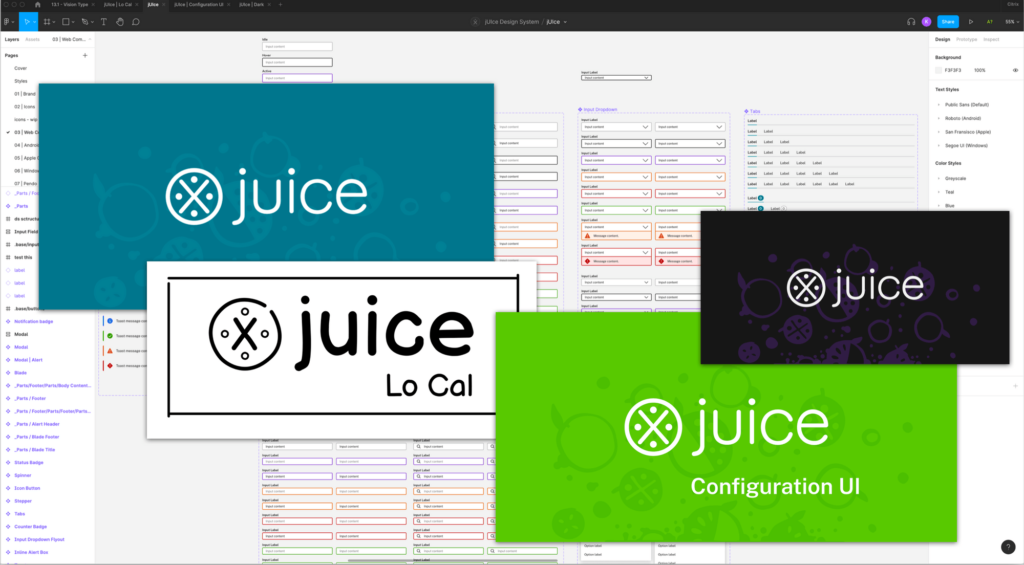
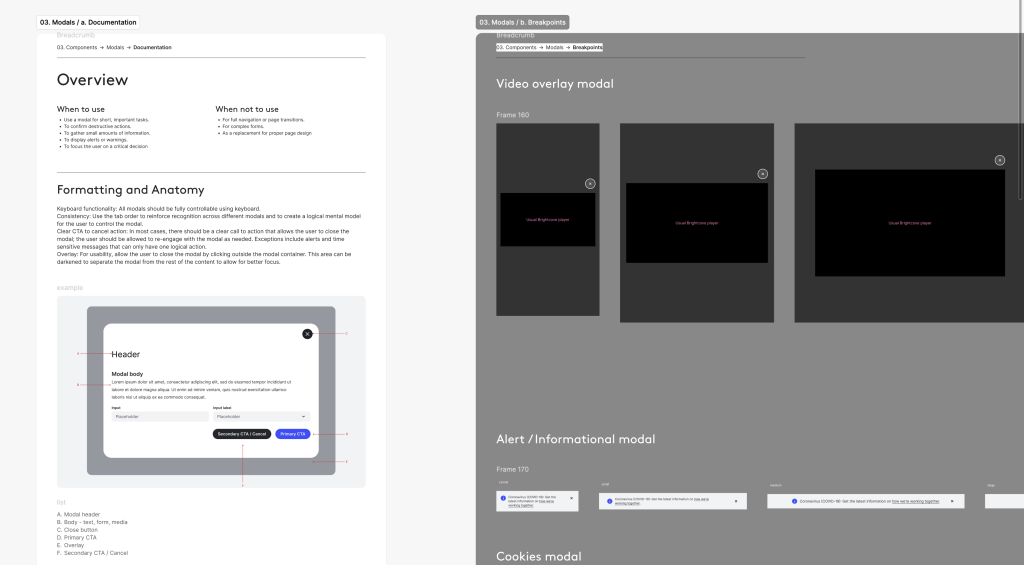
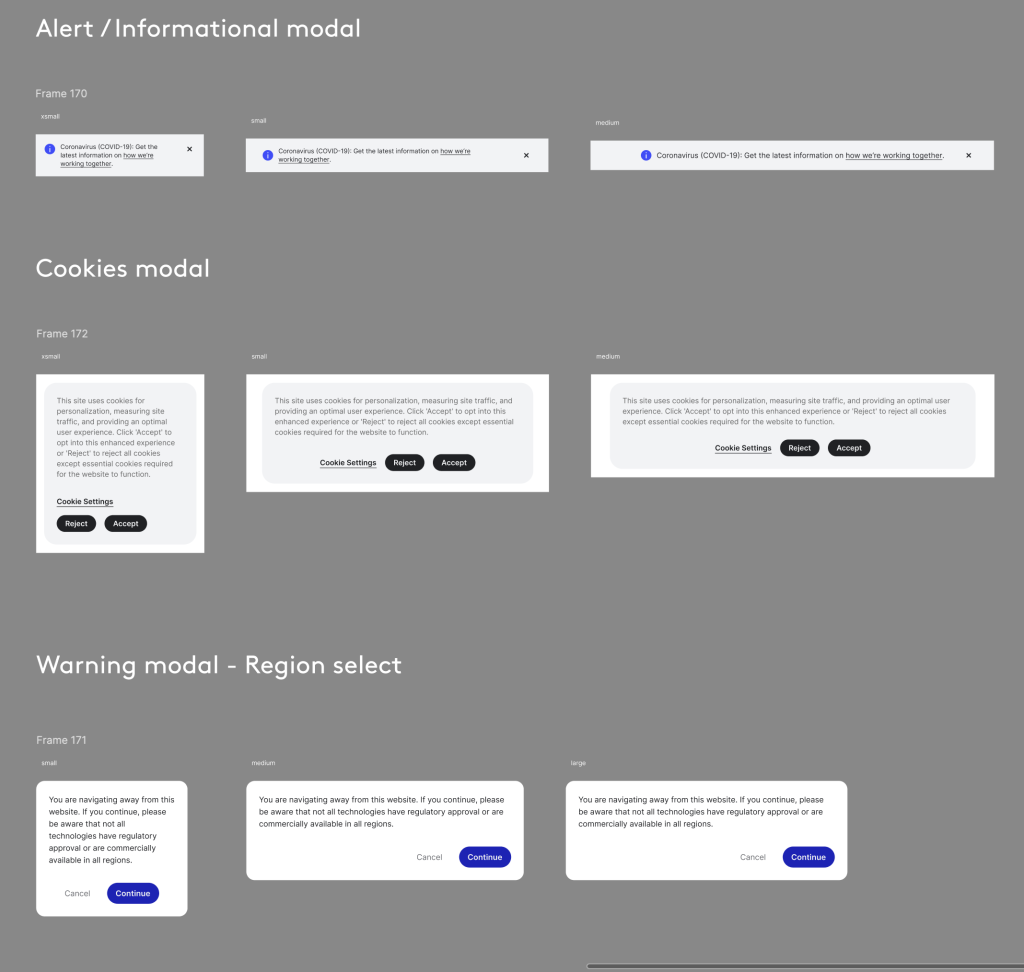
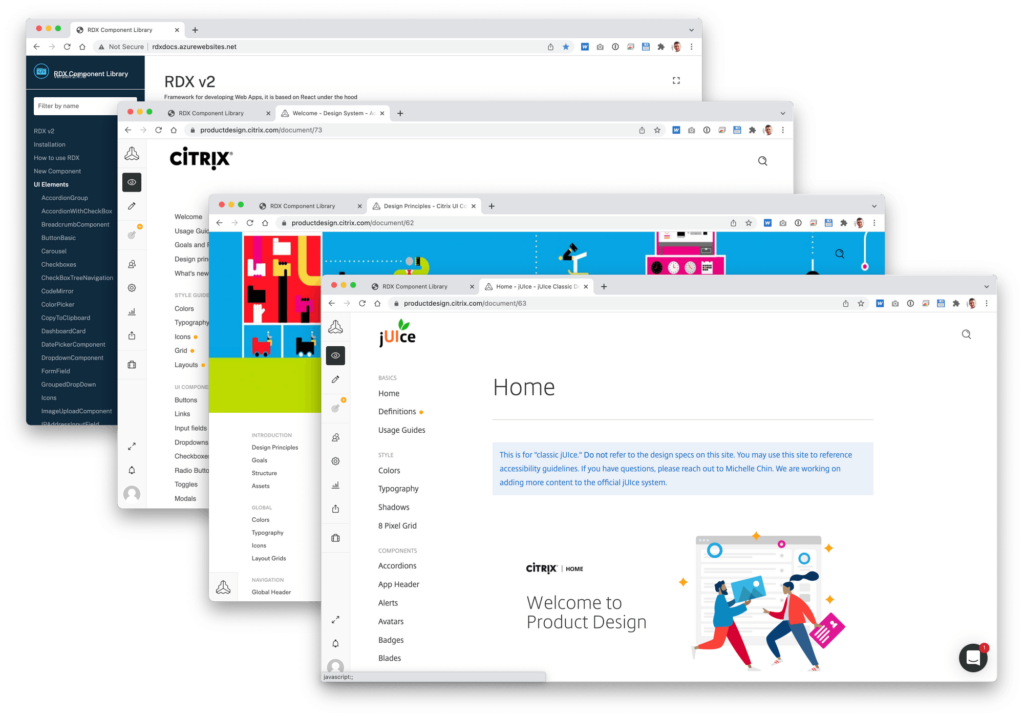
Citrix had a broad and complex product portfolio—spanning virtualization, networking, security, and analytics. Teams were moving fast, but design consistency was fragmenting:
- Components were being reinvented across products
- Data visualizations lacked shared patterns
- Prototypes varied wildly in fidelity and interaction logic
- Analytics experiences struggled with clarity and scalability
We didn’t need another UI kit. We needed a shared design language that could scale across teams, products, and time.
That’s where jUIce was born.
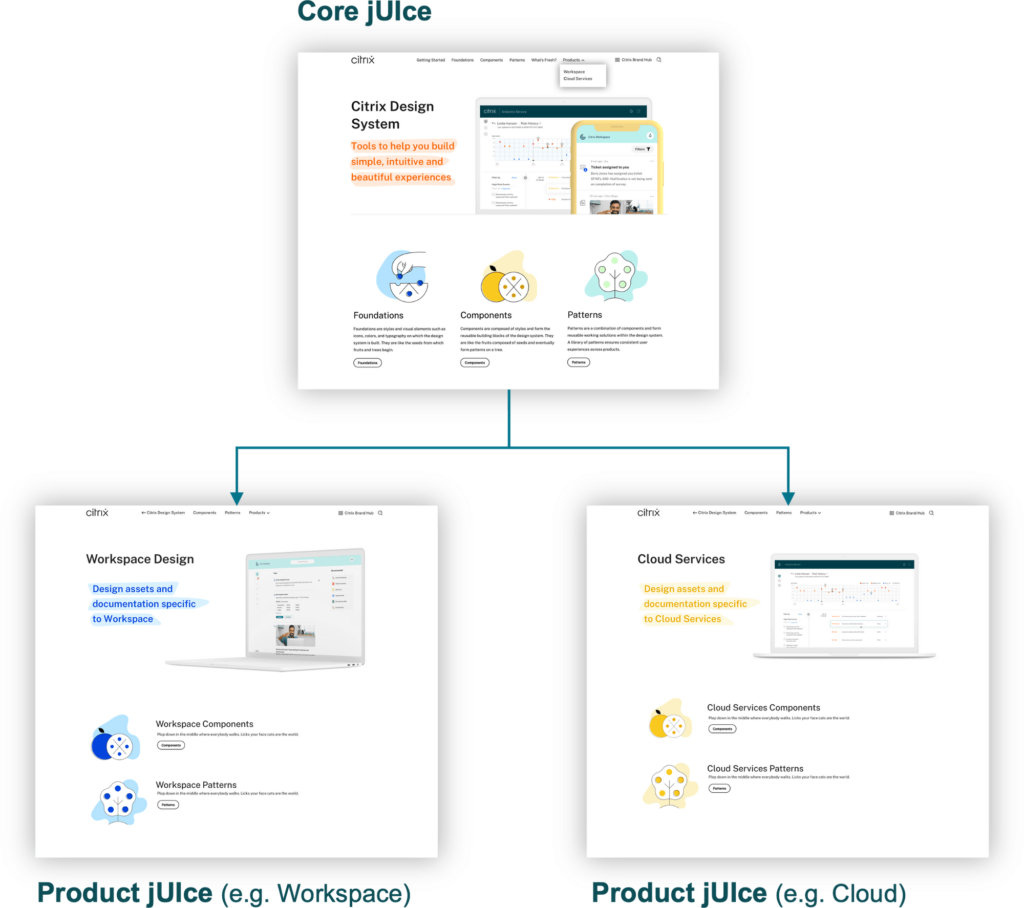
jUIce was created by a core group of 11 design leaders, each representing a major product vertical. Instead of a top-down model, we took a federated approach:
-
Each vertical owned its domain expertise
-
The system evolved through shared governance
-
Standards were debated, tested, and refined collaboratively
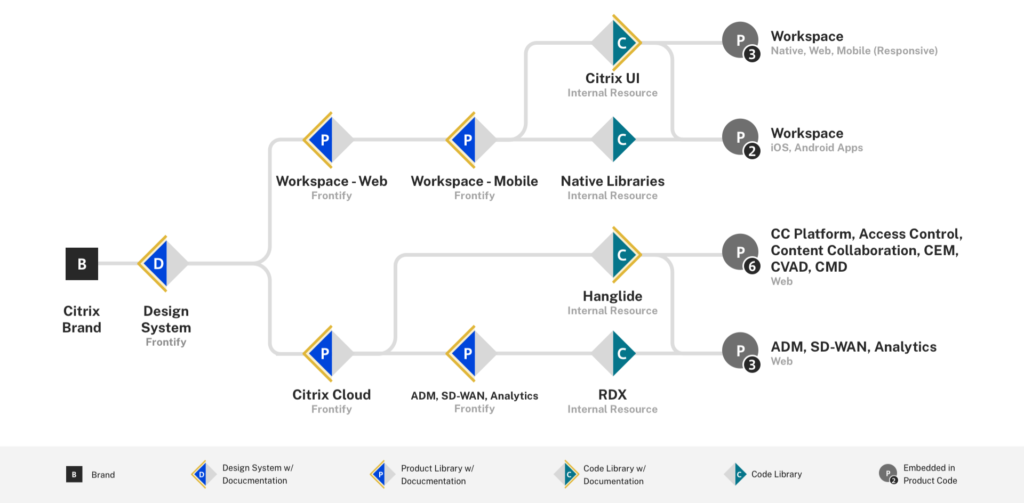
My role was to lead the Analytics vertical, representing some of the most complex UX challenges at Citrix.
Analytics products live at the intersection of data density, performance, and decision-making. My responsibility was to ensure jUIce could support:
-
Dashboards with extreme data variance
-
Real-time and historical data views
-
Power users and first-time admins alike
This meant contributing deeply to areas where design systems often fall short.
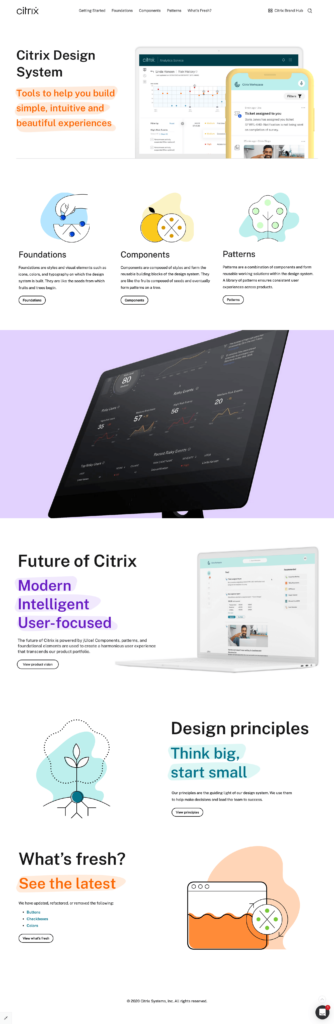
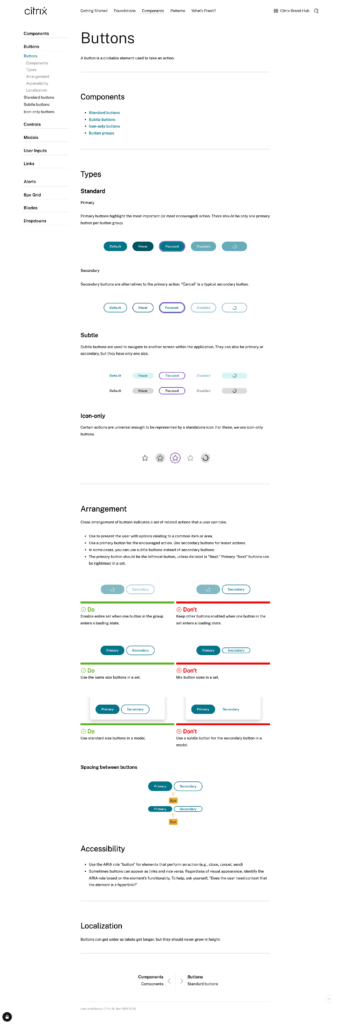
I worked closely with other system contributors to define reusable components that went far beyond basic UI elements:
-
Tables built for scale, sorting, and pagination
-
Filters and query builders designed for power users
-
States for loading, partial data, and errors
-
Responsive behaviors for dense enterprise layouts
Each component wasn’t just designed—it was documented with intent, usage guidance, and edge cases.

One of my strongest pushes was to treat prototypes as first-class citizens of the design system.
For analytics especially, static screens weren’t enough. We created interaction patterns for:
- Progressive disclosure of data
- Hover, drill-down, and compare behaviors
- Time-series exploration
- Cross-widget interactions
These prototypes became living references—used by designers, PMs, and engineers to align on behavior, not just appearance.
Analytics lives or dies by its data visualizations. I helped define a set of standardized data-viz widgets, including:
- Line, bar, and stacked charts
- Heatmaps and trend indicators
- Summary tiles and KPI cards
- Empty, loading, and error states
Each widget followed consistent rules for color, hierarchy, accessibility, and responsiveness—while still allowing flexibility for different data stories.
At the foundation of jUIce was atomic design thinking—but adapted for enterprise complexity:
- Atoms: colors, typography, spacing, motion tokens
- Molecules: form fields, table rows, chart elements
- Organisms: dashboards, panels, complex filters
- Templates & pages: real analytics workflows
This structure allowed teams to innovate locally while staying globally consistent.
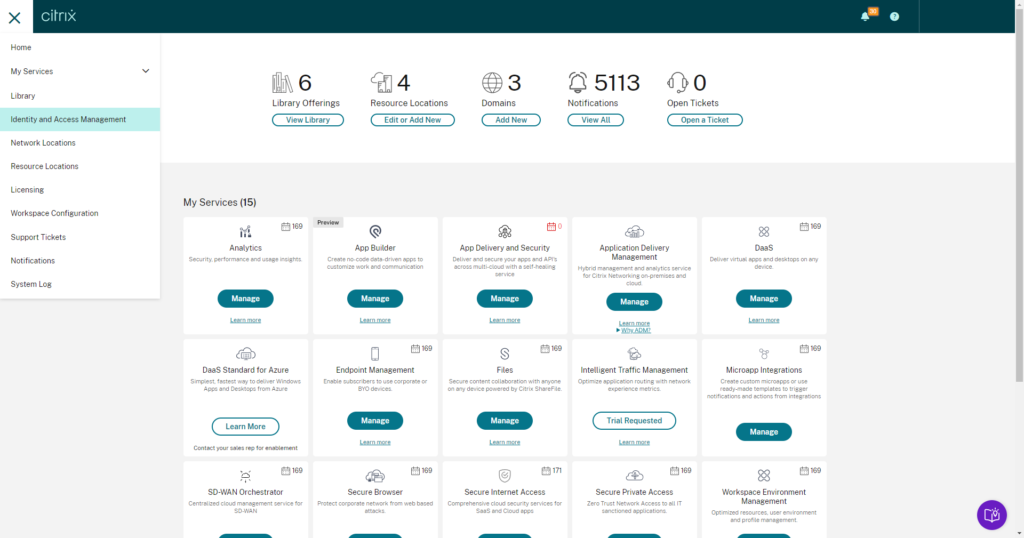
jUIce wasn’t just a design system—it became an operating system for design at Citrix:
- Faster product development
- Reduced design and engineering rework
- Stronger cross-product consistency
- Clearer analytics experiences for customers
Most importantly, it created a shared sense of ownership across design teams. Leading within jUIce reinforced a few core beliefs I carry forward in every organization:
- Design systems are social systems first
- Analytics UX deserves just as much craft as consumer UX
- Prototypes are alignment tools, not deliverables
- Atomic thinking scales best when paired with strong leadership
jUIce was a team effort—but representing analytics within that system allowed me to shape how data-driven experiences could scale across one of the world’s most complex enterprise platforms.
And that’s the kind of design challenge I love most.